
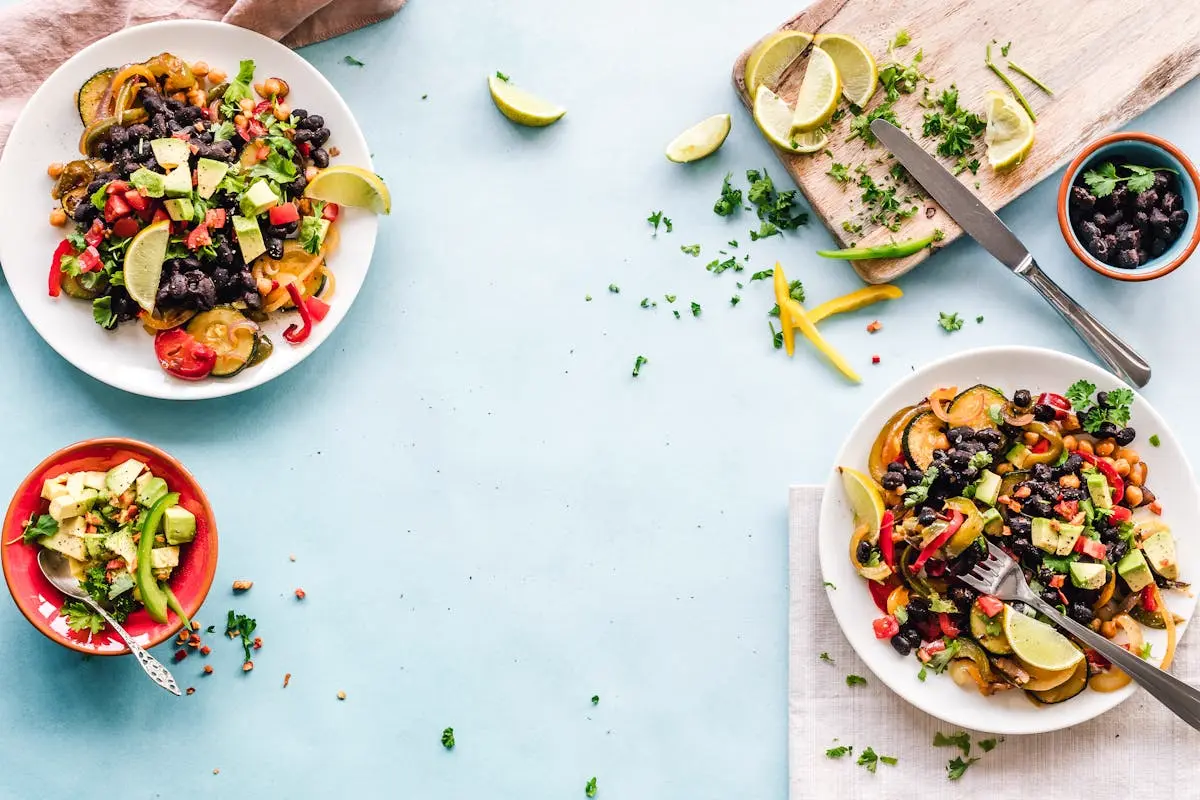

When money is tight, food is usually the first budget that gets cut. And when the grocery budget shrinks, the instinct is to reach for the cheapest options — white bread, 2-minute noodles, polony, sugary drinks. But here is the truth that most people do not realise: eating healthy in South Africa is not more expensive than eating junk food. In many cases, it is actually cheaper — and the impact on your body, your mind, and your ability to handle financial stress is enormous.
This article is not about fancy superfoods or imported health foods. It is about real, affordable food you can buy at any Shoprite, Pick n Pay, Spar, or Boxer — food that reduces inflammation, fights the physical damage caused by stress, and costs less than the processed alternatives.
Why This Matters: The Stress-Inflammation Connection
Financial stress is not just "in your head." When you are constantly worrying about debt, bills, and making ends meet, your body produces chronically elevated levels of cortisol — the stress hormone. Prolonged high cortisol causes systemic inflammation throughout your body, which is directly linked to:
- Heart disease and high blood pressure
- Type 2 diabetes
- Depression and anxiety
- Weakened immune system (getting sick more often)
- Weight gain, especially around the stomach
- Digestive problems and gut issues
- Chronic fatigue and poor sleep
Here is the good news: anti-inflammatory foods directly counteract this damage. The landmark SMILES trial (2017) proved that switching to an anti-inflammatory diet resulted in 32% of participants achieving complete remission from depression — without medication. What you eat literally changes your brain chemistry and your body's ability to cope with stress.
The gut-brain connection: 90% of your body's serotonin (the "feel-good" hormone) is produced in your gut, not your brain. When you eat inflammatory foods (processed meats, refined sugar, white bread), you damage your gut bacteria and reduce serotonin production. When you eat anti-inflammatory foods (fibre, omega-3s, fermented foods), you support healthy gut bacteria and increase serotonin. This is why what you eat directly affects how you feel.
The Myth: "Healthy Food Is Too Expensive"
This is one of the most damaging myths in South Africa. Let us compare the real cost per serving of common "cheap" processed foods versus affordable whole foods:
| Processed Food | Cost | Healthy Alternative | Cost |
|---|---|---|---|
| 2-Minute noodles (1 pack) | R7-10 | Oats with banana (1 serving) | R5-7 |
| Polony (per serving) | R8-12 | 2 boiled eggs | R7-9 |
| White bread + margarine | R5-7 | Sweet potato (baked) | R4-6 |
| Fizzy drink (500ml) | R15-20 | Rooibos tea (per cup) | R1-2 |
| Takeaway meal | R50-80 | Bean stew with rice (family) | R25-35 |
| Chips (crisps, 1 bag) | R15-25 | Peanuts (handful) | R5-8 |
The processed options might seem cheaper when you look at the price tag, but when you calculate the cost per serving, per calorie, and per gram of actual nutrition — whole foods win almost every time. And they keep you full for longer, meaning you eat less overall.
A word on polony and processed meats: The World Health Organisation (WHO) classifies processed meats like polony, viennas, and russians as Group 1 carcinogens — the same category as cigarettes and asbestos. South Africa's 2018 listeriosis outbreak, which killed 216 people, was traced to polony production. These products are not just unhealthy — they are actively dangerous. And they are not even cheap when you calculate cost per gram of protein compared to eggs or beans.
Top 10 Anti-Inflammatory Foods You Can Afford
These foods are available at any South African supermarket, are affordable on a tight budget, and have strong scientific evidence for reducing inflammation and supporting mental health.
1. Tinned Pilchards / Sardines
Price: R18-22 per 400g can
Tinned pilchards in tomato sauce are one of South Africa's best-kept nutritional secrets. They are loaded with omega-3 fatty acids (EPA and DHA) — the most powerful natural anti-inflammatories available. One can provides more omega-3 than most expensive fish oil supplements. They are also rich in protein, calcium (from the edible bones), vitamin D, and vitamin B12. Eat them on toast, with pap, in a stew, or straight from the can. Two to three cans per week is enough to significantly reduce inflammatory markers in your body.
2. Eggs
Price: R40-55 per dozen (under R5 per egg)
Eggs are the most complete and affordable source of protein available. They contain all nine essential amino acids, plus choline (critical for brain health and reducing inflammation), vitamin D, B vitamins, and selenium. The old myth that eggs raise cholesterol has been thoroughly debunked — current research shows that eating 2-3 eggs per day is perfectly healthy and actually improves inflammatory markers. Boiled, scrambled, fried in a little oil, or added to any meal — eggs are the foundation of affordable healthy eating.
3. Oats
Price: R18-30 per kg (approximately R2-3 per serving)
Oats are one of the cheapest foods in South Africa per serving. They contain beta-glucan, a soluble fibre with proven anti-inflammatory properties that feeds beneficial gut bacteria. Oats stabilise blood sugar (preventing the energy crashes that worsen stress and anxiety), lower cholesterol, and keep you full for hours. Avoid the flavoured instant varieties — they are loaded with sugar. Buy plain oats and add banana, a drizzle of honey, or a spoon of peanut butter.
4. Dried Beans and Lentils
Price: R18-25 per 500g (R35-50 per kg for 13+ servings)
Dried beans — sugar beans, kidney beans, chickpeas, and lentils — are arguably the single best value food in South Africa. A 500g bag provides over 13 servings of protein-rich, fibre-rich meals. They are packed with polyphenols (plant compounds that reduce inflammation), resistant starch (feeds beneficial gut bacteria), iron, magnesium, and folate. Samp and beans is a traditional South African dish that is both anti-inflammatory and incredibly affordable. Make a big pot of bean stew on Sunday and eat it through the week.
5. Bananas
Price: R10-15 per kg
Bananas are one of the cheapest fruits in South Africa and one of the most nutritious. They contain potassium (which lowers blood pressure), vitamin B6 (essential for serotonin production — the feel-good chemical), prebiotic fibre that feeds healthy gut bacteria, and natural sugars that provide steady energy without the crash of refined sugar. Ripe bananas with brown spots are even better — they contain higher levels of antioxidants. Add them to oats, eat them as a snack, or freeze them for a cheap dessert.
6. Sweet Potatoes
Price: R15-25 per kg
Sweet potatoes are loaded with beta-carotene — a powerful antioxidant that your body converts to vitamin A. They have a lower glycaemic index than white potatoes, meaning they release energy slowly and keep blood sugar stable. They also contain vitamin C, manganese, and anti-inflammatory compounds. Bake them whole, mash them, add them to stews, or slice and roast them as a healthy alternative to chips. They are naturally sweet and filling, which helps reduce cravings for processed sugar.
7. Frozen Vegetables (Spinach and Mixed Veg)
Price: R25-35 per kg
Frozen vegetables are just as nutritious as fresh — often more so, because they are flash-frozen at peak freshness. Frozen spinach is particularly valuable: it is loaded with magnesium (a natural stress-reducer), iron, folate, and anti-inflammatory flavonoids. Frozen mixed vegetables provide a wide range of nutrients at a fraction of the cost of buying fresh vegetables individually. Add them to any meal — stews, stir-fries, soups, or as a side dish. They do not go off, they do not require preparation, and they are always available.
8. Turmeric (with Black Pepper)
Price: R15-25 per 100g (lasts weeks)
Turmeric contains curcumin, one of the most studied anti-inflammatory compounds in the world. There is one important trick: always combine turmeric with black pepper. The piperine in black pepper increases curcumin absorption by 2,000%. Without black pepper, most of the curcumin passes through your body without being absorbed. Add a teaspoon of turmeric and a pinch of black pepper to stews, curries, rice, scrambled eggs, or warm milk. A small container lasts weeks, making it one of the most cost-effective anti-inflammatory interventions available.
9. Rooibos Tea
Price: R30-45 per 40 bags (under R1 per cup)
Rooibos is uniquely South African and uniquely anti-inflammatory. It contains aspalathin — a compound found nowhere else in nature — which has powerful antioxidant and anti-inflammatory properties. Rooibos is naturally caffeine-free (so it does not worsen anxiety or disrupt sleep), rich in minerals, and calming. Replace fizzy drinks and sugary juice with rooibos tea — hot or iced — and you save R15-20 per day while actively reducing inflammation. That is R450-600 per month in savings from one simple swap.
10. Peanuts and Peanut Butter
Price: R30-45 per 400g jar
Peanuts are rich in healthy monounsaturated fats, protein, magnesium, and resveratrol — the same anti-inflammatory compound found in red wine. A tablespoon of peanut butter on oats, toast, or a banana provides sustained energy and helps keep you full between meals. Choose peanut butter with no added sugar if possible (check the ingredients — it should just say "peanuts" and "salt"). Peanuts are an excellent snack alternative to chips and sweets.
Traditional South African Foods That Fight Inflammation
Some of the most powerful anti-inflammatory foods are traditional South African staples that our grandparents ate every day:
- Morogo (wild spinach): More nutrient-dense than commercial spinach, loaded with iron, calcium, and anti-inflammatory compounds. Available at informal markets and some supermarkets.
- Amadumbe (taro): A starchy root vegetable rich in fibre, potassium, and resistant starch that feeds beneficial gut bacteria. Lower glycaemic index than white potatoes.
- Samp and beans: A classic combination that provides complete protein, slow-release energy, and anti-inflammatory polyphenols. Make a big pot and eat through the week.
- Rooibos: Already listed above but worth repeating — it is uniquely South African and uniquely anti-inflammatory. Our grandparents knew what they were doing.
Foods That Make Inflammation (and Stress) Worse
Just as important as eating anti-inflammatory foods is reducing the foods that actively cause inflammation:
Processed Meats
Polony, viennas, russians, and bacon. Classified as Group 1 carcinogens by the WHO. High in sodium, preservatives, and inflammatory omega-6 fatty acids.
White Bread and Refined Carbohydrates
White bread, white rice, and refined flour products spike blood sugar rapidly, trigger insulin surges, and promote inflammation. Switch to brown bread, brown rice, or sweet potatoes where possible.
Sugary Drinks
Fizzy drinks, fruit juice (yes, even 100% juice), and sweetened ice tea. A single 500ml Coke contains 54g of sugar — more than double the WHO daily recommendation. Sugar is one of the most potent inflammatory triggers. Switch to rooibos tea and water.
Instant Noodles and Ultra-Processed Foods
2-Minute noodles, instant soups, and packet sauces are loaded with sodium, MSG, trans fats, and inflammatory seed oils. They provide almost zero nutrition per serving despite containing plenty of calories. A bowl of oats costs less and provides genuine nutrition.
Cooking Oils (Seed Oils)
Sunflower oil, soybean oil, and canola oil are high in inflammatory omega-6 fatty acids. If possible, cook with small amounts of olive oil, coconut oil, or even butter. These are marginally more expensive but you use less because they are more flavourful.
Sample Budget Meal Plan (Under R95 Per Day)
Here is a practical daily meal plan using the affordable anti-inflammatory foods listed above. All prices are approximate 2026 South African retail prices.
Breakfast — Oats with Banana and Peanut Butter
Half a cup of oats, one banana (sliced), one tablespoon of peanut butter, and a pinch of cinnamon. Add hot water or milk.
Cost: ~R8-12 | Anti-inflammatory: omega-3s, beta-glucan, potassium, vitamin B6
Mid-Morning Snack — Rooibos Tea + Peanuts
One cup of rooibos tea (no sugar) and a small handful of peanuts (approximately 30g).
Cost: ~R4-6 | Anti-inflammatory: aspalathin, resveratrol, magnesium
Lunch — Tinned Pilchards with Sweet Potato
Half a can of pilchards in tomato sauce served over a baked or mashed sweet potato, with a side of frozen spinach. Add turmeric and black pepper to the spinach.
Cost: ~R18-25 | Anti-inflammatory: omega-3, beta-carotene, curcumin, magnesium
Afternoon Snack — Boiled Egg + Banana
One or two boiled eggs and a banana. Quick, portable, and filling.
Cost: ~R8-12 | Anti-inflammatory: choline, vitamin D, potassium, prebiotic fibre
Dinner — Bean Stew with Brown Rice
Sugar bean or lentil stew with onion, tomato, garlic, turmeric, and black pepper, served with brown rice and frozen mixed vegetables. Make a big pot — leftovers for lunch tomorrow.
Cost: ~R20-30 | Anti-inflammatory: polyphenols, resistant starch, curcumin, fibre
Evening — Rooibos Tea
One cup of rooibos tea. Naturally caffeine-free so it will not disrupt your sleep.
Cost: ~R1-2 | Anti-inflammatory: aspalathin, nothofagin
Daily total: approximately R60-90 — that is R420-630 per week for three meals and two snacks, all anti-inflammatory, all nutritious, all real food. Compare that to the cost of takeaways, 2-minute noodles, fizzy drinks, and polony — and the healthy option is not only comparable in price, it is better for your body, your brain, and your ability to cope with stress.
Weekly Budget Shopping List (One Person)
Here is a sample weekly shopping list with approximate 2026 South African prices. Prices will vary by store and region, but this gives you a realistic picture of what affordable healthy eating costs.
| Item | Quantity | Approx. Price |
|---|---|---|
| Oats (plain) | 1 kg | R25 |
| Eggs | 1 dozen | R48 |
| Tinned pilchards | 3 cans | R60 |
| Dried beans / lentils | 1 kg | R40 |
| Brown rice | 1 kg | R30 |
| Bananas | 1.5 kg | R20 |
| Sweet potatoes | 2 kg | R40 |
| Frozen spinach | 1 kg | R30 |
| Frozen mixed veg | 1 kg | R32 |
| Peanut butter | 400g jar | R38 |
| Peanuts | 250g | R25 |
| Onions | 1 kg | R18 |
| Tomatoes (tinned) | 2 cans | R24 |
| Garlic | 1 head | R8 |
| Turmeric powder | 50g | R12 |
| Rooibos tea | 40 bags | R35 |
| Brown bread | 1 loaf | R18 |
| Milk | 2 litres | R36 |
| Weekly Total | ~R539 | |
| Daily Average | ~R77/day |
Spices like turmeric, garlic, and black pepper last multiple weeks, so your actual ongoing weekly cost will be lower. Buying in bulk (2kg bags of beans, larger oat containers) reduces costs further.
10 Practical Tips for Eating Healthy on a Budget
Cook in bulk on Sundays. Make a big pot of bean stew, lentil soup, or curry. Portion it out for the week. This saves time, money, and prevents the temptation to buy takeaways on busy evenings.
Buy dried beans, not canned. Dried beans cost about half the price of tinned beans. Soak them overnight, then cook. The only "cost" is time — and you save money every single week.
Switch fizzy drinks for rooibos. This single change saves R450-600 per month and replaces an inflammatory drink with an anti-inflammatory one. Make a big batch of iced rooibos for summer.
Buy frozen vegetables. They last longer, cost less, have zero waste, and are nutritionally equivalent to fresh. Keep frozen spinach and mixed veg as permanent staples.
Boil eggs in advance. Boil 6-12 eggs at once and keep them in the fridge. Instant, portable, protein-rich snacks ready to grab at any time.
Shop with a list. Impulse buying is the enemy of a food budget. Write your list before you go, stick to it, and avoid shopping when you are hungry.
Add turmeric and black pepper to everything. It costs almost nothing per serving and turns every meal into an anti-inflammatory meal. Stews, scrambled eggs, rice, soups — it works in almost anything.
Eat eggs for any meal. Eggs are not just for breakfast. Scrambled eggs on toast for dinner, a boiled egg in your lunchbox, an omelette with frozen vegetables — they are the most versatile budget protein.
Compare unit prices, not package prices. A 2kg bag of oats at R50 is cheaper per serving than a 500g box at R20. Shoprite and Boxer often have the best prices on staples.
Do not aim for perfection. You do not need to overhaul your entire diet overnight. Start with one change — replace fizzy drinks with rooibos, or swap 2-minute noodles for oats. Small changes compound into big health improvements over time.
The Biggest Anti-Inflammatory: Peace of Mind
Eating well is one half of the equation. The other half is reducing the source of the stress itself.
If financial stress is what is driving your cortisol levels, disrupting your sleep, and fuelling chronic inflammation — then no amount of turmeric or pilchards will fully solve the problem on their own. You need to address the root cause.
That is where we come in. Debt review can reduce your monthly debt repayments by up to 50%, giving you more money for healthy food, more breathing room in your budget, and — most importantly — peace of mind. When you know your assets are legally protected, your creditors cannot harass you, and there is a clear plan to become debt-free, the cortisol drops. The inflammation drops. You sleep better. You eat better. Everything improves.
Many of our clients tell us that within weeks of starting debt review, they feel physically better — not because the debt is gone yet, but because the uncertainty is gone. They have a plan. They have protection. They have someone in their corner.
The combination works: Eat anti-inflammatory foods to protect your body from the physical damage of stress. And address the source of the stress itself through a structured debt solution. One without the other is only half the answer. Together, they can genuinely change your life.
Frequently Asked Questions
What are the cheapest healthy foods in South Africa?
The cheapest healthy foods in South Africa include dried beans and lentils (R18-25 per 500g), oats (R18-30 per kg), eggs (R40-55 per dozen), tinned pilchards in tomato sauce (R18-22 per can), bananas (R10-15 per kg), frozen mixed vegetables (R25-35 per kg), sweet potatoes (R15-25 per kg), and brown rice (R25-35 per kg). These foods are rich in protein, omega-3 fatty acids, fibre, and anti-inflammatory nutrients — and they cost far less per serving than processed junk food.
Can you eat healthy on R100 per day in South Africa?
Yes. A well-planned anti-inflammatory diet in South Africa can cost approximately R85-95 per day for one person (around R600-650 per week). This includes three meals and snacks built around affordable staples like oats, eggs, beans, tinned pilchards, frozen vegetables, bananas, and sweet potatoes. The key is buying staples in bulk, cooking from scratch rather than buying processed foods, and focusing on nutrient-dense foods that keep you full longer.
What foods reduce inflammation and stress?
Foods that reduce inflammation include oily fish like tinned pilchards and sardines (omega-3 fatty acids), leafy greens like spinach and morogo (antioxidants), beans and lentils (fibre and polyphenols), turmeric with black pepper (curcumin — absorption increases by 2000% with black pepper), berries and bananas (flavonoids), sweet potatoes (beta-carotene), and rooibos tea (aspalathin, a unique anti-inflammatory compound). These foods fight chronic inflammation caused by financial stress and cortisol.
Is junk food really cheaper than healthy food?
No. This is one of the biggest myths in South Africa. A 2kg bag of dried beans costs R35-50 and provides 13+ servings of protein-rich meals. A 2-minute noodle pack costs R7-10 and provides one serving with almost zero nutrition. Polony costs R40-60 per kg and is classified by the WHO as a Group 1 carcinogen (same category as cigarettes). Eggs cost R40-55 per dozen — that is under R5 per egg for complete protein. Per serving, whole foods are almost always cheaper than processed alternatives.
How does financial stress cause inflammation in the body?
Financial stress triggers a chronic cortisol response (the stress hormone). Prolonged elevated cortisol causes systemic inflammation throughout the body, which is linked to heart disease, diabetes, depression, weakened immunity, weight gain, and digestive problems. Research from the SMILES trial showed that switching to an anti-inflammatory diet resulted in 32% of participants achieving remission from depression. Eating anti-inflammatory foods directly counteracts the physical damage caused by financial stress.
