
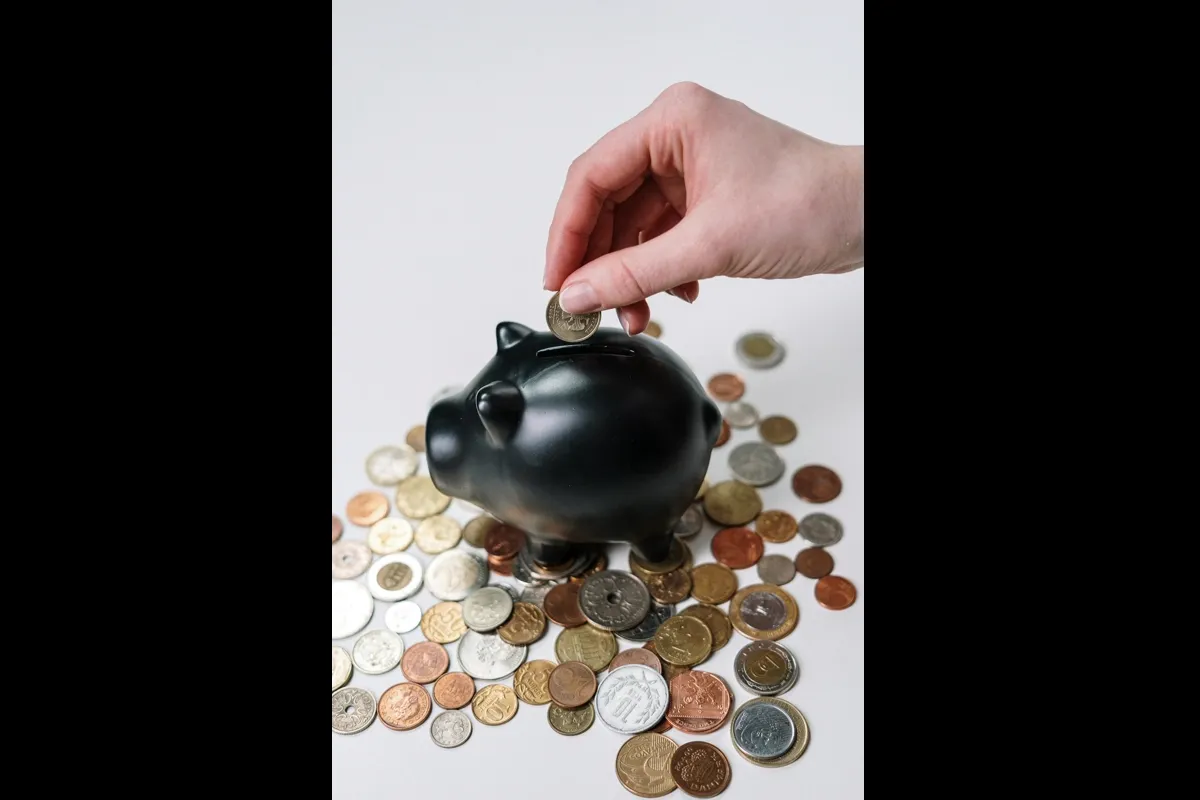
A burst geyser. A car that will not start. A child who needs emergency medical care. An unexpected retrenchment. These are not rare events in South Africa — they happen to ordinary families every single day. And without an emergency fund, any one of them can push you into debt that takes years to recover from.
According to a 2024 Old Mutual Savings & Investment Monitor, only 36% of South Africans could survive for three months on their savings if they lost their income. The majority — nearly two-thirds of the country — would be in financial crisis within weeks. If that describes your situation, this guide is for you.
Why Every South African Needs an Emergency Fund
An emergency fund is not a luxury — it is the single most important financial tool you can have. Here is why:
It keeps you out of debt
Without savings, the only way to handle an unexpected expense is to borrow — a personal loan, credit card, or payday loan at 30%+ interest. An emergency fund means you do not need to borrow at all.
It protects your debt review plan
If you are under debt review, an unexpected expense without savings could mean missing your restructured payment — which puts your entire plan at risk. Even a small emergency fund protects your progress.
It reduces financial stress
Research consistently shows that financial stress is one of the biggest causes of anxiety, insomnia, and relationship breakdown in South Africa. Knowing you have money set aside — even a few thousand rand — dramatically reduces that stress.
It gives you options
Without savings, you are trapped. You cannot leave a toxic job, you cannot fix your car, you cannot handle a medical emergency. An emergency fund gives you the freedom to make decisions from a position of strength, not desperation.
How Much Do You Actually Need?
The textbook answer is "3 to 6 months of essential living expenses." But let us be practical. If you are earning R15,000 per month and spending R12,000 on essentials, saving R36,000 to R72,000 feels impossible. So let us break it into realistic stages:
| Stage | Target | What It Covers |
|---|---|---|
| Starter fund | R2,000 – R5,000 | A minor car repair, plumber call-out, or doctor visit |
| Basic safety net | R5,000 – R15,000 | A month of basic living expenses if you lose income |
| Solid buffer | R15,000 – R30,000 | 2–3 months of essentials — enough to job hunt without panic |
| Full emergency fund | R30,000 – R60,000+ | 3–6 months of expenses — real financial security |
Start with Stage 1. Your first goal is R2,000. That is it. Do not overwhelm yourself by thinking about R60,000. Get R2,000 saved first, then build from there. Every journey starts with a single step.
How to Build Your Emergency Fund — Step by Step
Know Your Numbers
Before you can save, you need to know exactly where your money goes. Write down every rand you spend for one full month — rent, groceries, transport, electricity, data, insurance, debt repayments, everything. Use your bank statement if you prefer. Most people are shocked to discover how much they spend on things they did not even realise.
Find the Leaks
Once you know where your money goes, look for spending you can reduce or eliminate. Common leaks include: unused subscriptions (gym, streaming services you forgot about), daily takeaway coffee or lunch (R50/day = R1,000/month), bank fees on the wrong account type, data bundles that expire unused, and impulse buys at the checkout. Even R200 to R500 per month freed up from leaks is enough to start building your emergency fund.
Open a Separate Savings Account
This is critical — do not try to save in your everyday transactional account. You will spend it. Open a separate savings account specifically for your emergency fund. Good options in South Africa include TymeBank GoalSave (no fees, good interest), FNB Savings Pocket (built into your FNB app), Capitec Flexible Savings, or a money market account at any major bank. Look for accounts with no monthly fees and competitive interest rates.
Automate on Payday
Set up an automatic debit order or scheduled transfer to move money to your savings account on the same day you get paid — not at the end of the month when the money is gone. Pay yourself first. Even R100 per month is a start. R200 is better. R500 is excellent. The amount matters less than the consistency.
Boost with Windfalls
Whenever you receive unexpected money — a tax refund, a bonus, overtime pay, birthday cash, a freelance payment — put at least half of it straight into your emergency fund. This accelerates your progress dramatically. A single R3,000 tax refund could complete your Stage 1 target overnight.
Protect Your Fund
The hardest part of an emergency fund is not building it — it is not spending it on non-emergencies. Before you dip into it, ask three questions: Is this truly unexpected? Is this truly urgent? Is this truly necessary? If the answer to any of those is no, find another way. A sale is not an emergency. A holiday is not an emergency. A new phone is not an emergency.
Real Savings Examples for South African Incomes
Here is what building an emergency fund looks like at different income levels:
| Monthly Income | Monthly Savings | Time to R5,000 | Time to R15,000 |
|---|---|---|---|
| R8,000 | R200 | 25 months | 6+ years |
| R12,000 | R400 | 13 months | 3 years |
| R18,000 | R750 | 7 months | 20 months |
| R25,000 | R1,200 | 4 months | 13 months |
| R35,000+ | R2,000 | 3 months | 8 months |
Yes, at R200 per month it takes over two years to reach R5,000. That is OK. Two years from now, you will either have R5,000 saved or you will not. The time will pass either way.
5 Mistakes That Kill Emergency Funds
Keeping it in your everyday account
If your emergency fund is in the same account you use for groceries and petrol, you will spend it. Move it to a separate account that requires deliberate effort to access.
Waiting until you earn more
You will never feel like you earn enough to save. Start with whatever you can — R100, R200, R300. Build the habit first. The amount can grow later.
Dipping into it for non-emergencies
A new outfit is not an emergency. A sale at Takealot is not an emergency. A birthday party is not an emergency. Be ruthless about protecting this money.
Not replenishing after use
When you do use your emergency fund (that is what it is for), make replenishing it your immediate priority. Resume your automatic savings as soon as the emergency has passed.
Investing it in the stock market
Your emergency fund must be safe and accessible. Do not put it in shares, crypto, or any investment that can lose value. A savings account or money market account is ideal — boring, safe, and available when you need it.
Should I Save or Pay Off Debt First?
This is one of the most common financial questions in South Africa, and the answer might surprise you: do both at the same time.
If you focus only on paying off debt and have zero savings, the first unexpected expense will force you to borrow again — putting you right back where you started. That is the debt trap cycle.
The practical approach is:
- Build a starter emergency fund first (R2,000 – R5,000) while making minimum debt payments
- Then attack your debt aggressively — consider debt review if your repayments are more than you can afford
- Once debt-free, build your full emergency fund (3–6 months of expenses)
If you are under debt review, your restructured payment is designed to be affordable — which should free up some money each month. Even putting R100 to R200 of that into a savings account each month is a smart move that protects your entire debt review plan.
Quick Wins to Kickstart Your Emergency Fund
- Sell what you do not use: Go through your house and sell clothes, electronics, furniture, and anything you have not used in 6 months. Use Facebook Marketplace, Gumtree, or Yaga. Put every rand straight into savings.
- Do a no-spend challenge: Pick one week per month where you spend absolutely nothing beyond essentials (rent, electricity, basic groceries). Bank the difference.
- Switch bank accounts: If you are paying R100+ per month in bank fees, switch to a lower-fee account (Capitec, TymeBank, Discovery Bank Starter). That is R1,200 per year straight into savings.
- Cancel unused subscriptions: Check your debit orders for gym memberships you never use, streaming services you forgot about, or insurance products you no longer need.
- Use the R5 challenge: Save every R5 coin you receive in change. Put it in a jar and deposit it monthly. Many South Africans have saved R2,000+ per year using this simple method.
Frequently Asked Questions
How much should I have in my emergency fund?
The standard recommendation is 3 to 6 months of essential living expenses. For most South African households, this means R15,000 to R60,000 depending on your monthly costs. However, even R5,000 is a meaningful start — it can cover a tyre blowout, a vet bill, or a week of lost income. Start where you are and build from there.
Can I build an emergency fund while under debt review?
Yes, and you should. While your debt review plan is designed to be affordable, unexpected expenses still happen. Even saving R100 to R200 per month into a separate emergency account can prevent you from missing a debt review payment when something unexpected comes up. Speak to your debt counsellor if you need advice on how to budget for savings alongside your restructured payment.
Where should I keep my emergency fund?
Keep your emergency fund in a separate savings account — ideally a notice deposit or money market account that earns interest but is still accessible within 1 to 7 days. Do not keep it in your everyday transactional account (you will spend it) or in a fixed deposit that locks your money away for months. Good options in South Africa include TymeBank GoalSave, FNB Savings Pocket, Capitec Flexible Savings, and various money market accounts.
What counts as an emergency?
A genuine emergency is an unexpected, urgent expense that you cannot postpone — such as a medical bill, car breakdown, burst geyser, or sudden job loss. It is NOT a sale at your favourite store, a holiday, or a new phone. Before dipping into your emergency fund, ask yourself: is this truly unexpected, truly urgent, and truly necessary? If not, find another way to pay for it.
I am living paycheck to paycheck — how can I possibly save?
Start by tracking every rand you spend for one month. Most people find R200 to R500 in spending they did not realise was happening — an unused subscription, daily takeaway coffee, or bank charges that could be reduced by switching to a cheaper account. Redirect that money to savings automatically on payday. The amount does not matter at first — building the habit does.
